Diveheart empowers people with disabilities through scuba diving

DeKALB – Founded in 2001 and collaborating with 50 nonprofits around the U.S., Diveheart is a nonprofit organization that works with individuals with physical and cognitive disabilities by offering scuba diving as a therapy.
Their mission is to build confidence, independence and self-esteem in people with disabilities. Specifically, they work with individuals who have vision and hearing impairments, traumatic brain injuries, amputations, paraplegia, quadriplegia, spinal cord injuries, post-traumatic stress disorder and more.
Jim Elliott, founder and president of Diveheart, explained that he founded this organization because he noticed how teaching and guiding blind skiers for decades turned their lives around.
“I immediately started thinking: This would be cool to get somebody out of a wheelchair, get them in the water, get them standing up and have them get range of motion and freedom they cannot have on land,” Elliott said.
Elliott added that one of his favorite things is the service that he does for others.
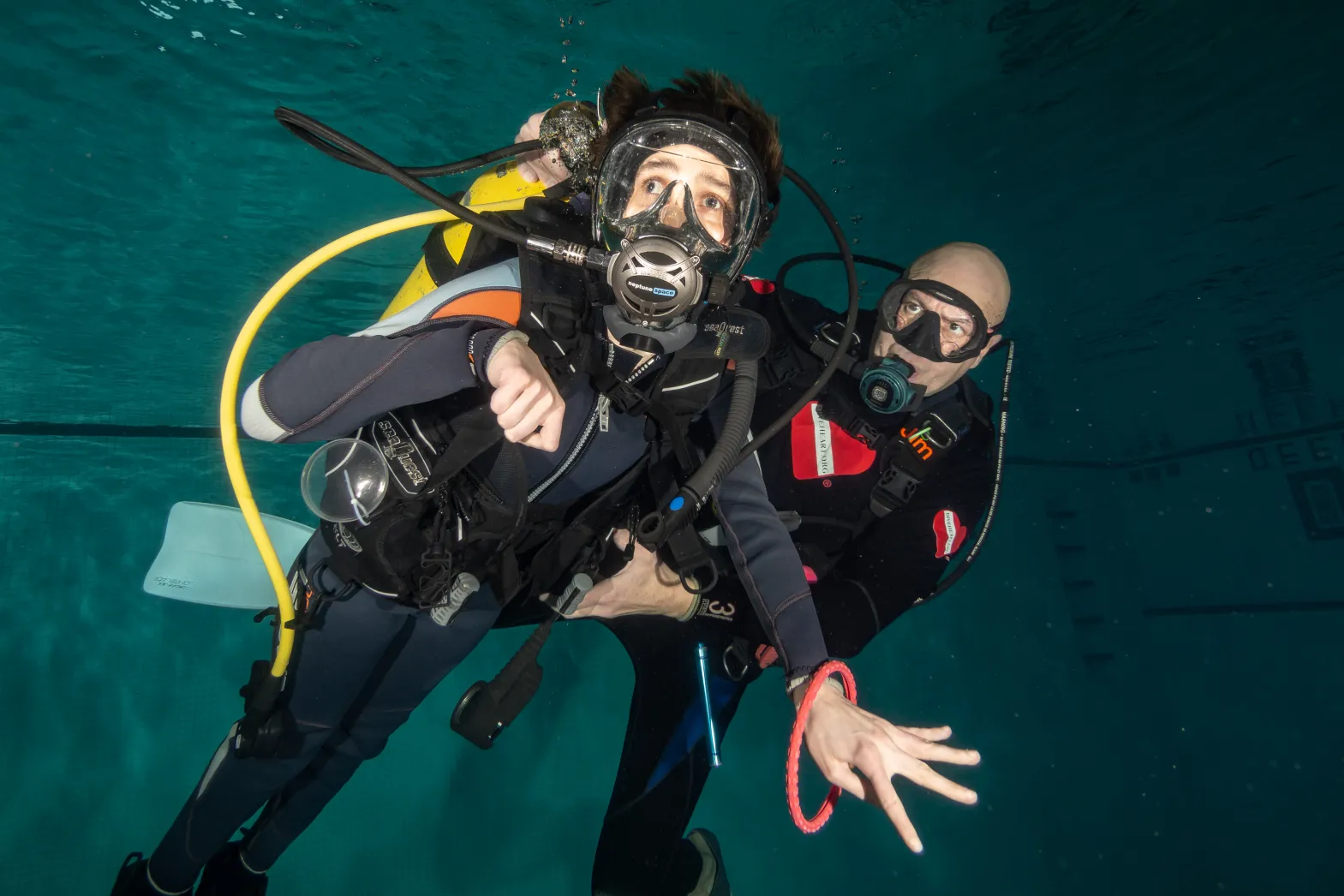
“The thrill for me is to get somebody in a chair standing up in the deep end of a pool, and I love their face when they look down, they go, ‘Oh my god, I’m standing up. I’m not in my wheelchair, and I’m breathing underwater, which I’m not supposed to do,’” Elliott said.
Furthermore, the organization runs Diveheart Scuba Experience programs in local communities free of charge for individuals with disabilities who are interested in trying scuba diving for the first time. A participant’s next step after mastering scuba diving in local pools is open-water, off beaches.
Alongside the scuba divers, there is a volunteer or buddy diver that helps them dive. Anyone is able to volunteer to assist in the water or even at the surface level. Diveheart helps train both volunteers and divers. The training cost $95 to $335 depending on the role, but assistance can be provided through fundraising. Once certified and experienced, people can attend open-water trips.
Tinamarie Hernandez, executive director of Diveheart, listed some places the organization visits.
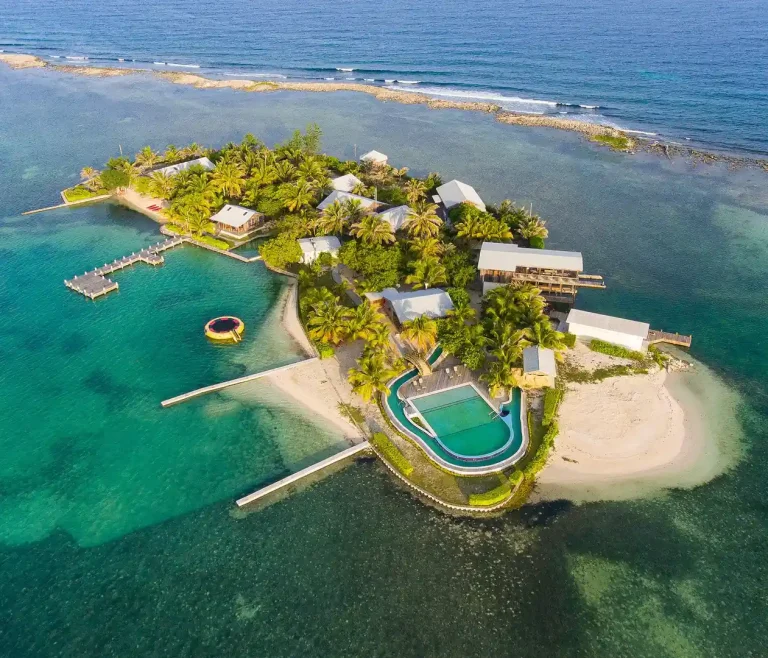
“We offer six to eight trips a year in places like Cozumel, Grenada, Florida Keys, Bonaire, Curacao, those places. Mostly warm water because that is very helpful for us. People who have an injury to their spinal cord will have thermal regulation issues, or if someone who has a degenerative disease, maybe ALS or Parkinson’s, they also are sensitive to the cold,” Hernandez said.
According to Hernandez, Diveheart has trained people in Texas, Florida, California, Missouri, Wisconsin, Michigan, Washington state, Oklahoma, Nevada and Utah. However, they have also trained internationally in the U.K, Malaysia and Borneo.
Additionally, Diveheart is involved in assisting and enabling new research surrounding adaptive diving. They work with graduate students and doctoral candidates in occupational, physical and recreational therapy.
Diveheart is also the only adaptive scuba program in the world that presents at the Mayo Clinic annual medical conference every year. Diveheart has done research with Johns Hopkins University, Northwestern University and Midwestern University. Elliott also said that Diveheart did the first study on autism and scuba diving with Midwestern University.
When asked about future plans to collaborate with NIU, Hernandez expressed excitement about the idea of an opportunity presenting itself.
“We would be happy and love the idea of collaborating with NIU,” Hernandez said. “We would be happy to, you know, collaborate, get students trained up and then be able to have that be an ongoing program, and you can work with the people right on campus.”
To learn more and help the organization, visit their YouTube channel to see how Diveheart has helped those with autism, spinal cord injuries or military-related injuries.